Valldemossa from Palma: The Early Bus, Chopin’s Late Piano, and the Book the Town Forgave
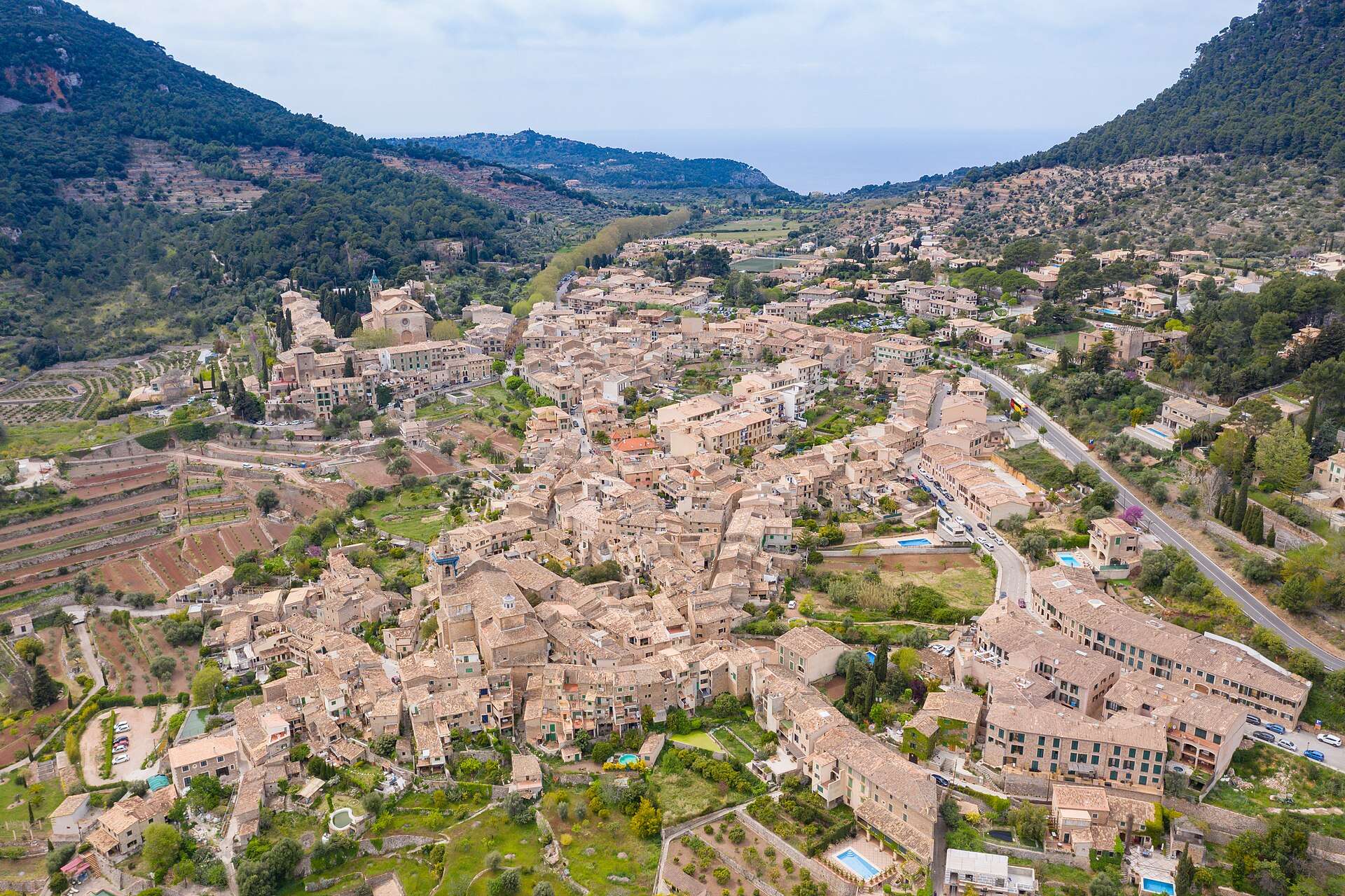
Half an hour into the Tramuntana, the stone village where Chopin and George Sand spent one famous winter sells her book that insulted it — with commendable good humor — beside the monastery cells and the pastry rite.
The short version
- TIB bus 203 runs Palma to Valldemossa in about thirty minutes at island fares and steady frequency — with the alarm’s early rule as the crowd strategy, since the coach tours arrive mid-morning in force; route planning via tib.org.
- The Real Cartuja — the Carthusian monastery turned apartments after the 1835 dissolution — anchors the visit: the church, the old pharmacy, and the famous cells where the composer and the writer spent the damp winter of 1838–39, ticketed around the ten-euro mark with piano recitals woven into the visiting day in season.
- The piano fact per the alarm is the collection’s best plain truth: Chopin’s Pleyel spent the winter stuck in customs and arrived only weeks before the couple left — most of the Preludes’ Valldemossa work happened on a borrowed local instrument, and the cell displays tell it straight.
- George Sand’s ‘A Winter in Majorca’ — her acid account of the stay, hard on the locals — is the alarm’s forgiven book: sold in every shop in a dozen languages, the village having long since decided the insult makes better business than the compliment.
- Santa Catalina Thomàs, the island’s home-grown saint, is the village’s older devotion — born here in 1531, honored with painted tiles beside nearly every doorway, the detail that repays slow lane-walking.
- The eating rite per the alarm: coca de patata — the airy potato-flour bun — taken with thick hot chocolate at the old cafés; and the Tramuntana frame adds Sa Foradada’s pierced-rock viewpoint and Deà’s terraced village a few kilometers on for those extending the mountain day.

Getting there
The 203’s half hour makes the alarm’s early rule cheap to obey — first buses land the village before the tour coaches, and the difference in the lanes is the whole visit’s texture. Drivers face small paid lots that fill by mid-morning in season. The Tramuntana road onward (Deà, Sóller’s valley) tempts the extension; the Sóller day is its own documented trip on this network, and the bus rider’s honest add is Sa Foradada by the onward 203 corridor or a taxi’s short hop.
The visit
Cartuja first at opening: the church’s frescoed vault, the pharmacy’s majolica jars, and the cells — Chopin’s scores and death mask, the borrowed-piano-versus-late-Pleyel story told per the alarm, Sand’s manuscripts, and the garden views over the terraces that redeem every complaint in her book. The seasonal recital (short, Chopin, included or near-included by ticket class) lands the point better than any placard. Then the lanes: Santa Catalina’s tiles doorway by doorway, the parish church of her devotion, and the viewpoint walks at the village edges where the Tramuntana does its green-and-grey theater. The coca de patata rite closes per the standing instruction — the old cafés by the monastery pour the chocolate thick enough to argue with. Afternoon options: Sa Foradada’s cliff terrace for the pierced rock and the sea, or the early bus back with the village banked before the day-trip tide fully turned.
When to go
Late winter’s almond blossom (roughly late January into February) dresses the terraces in the island’s most photographed fortnight and suits the Chopin mood precisely. Spring and autumn run the lanes at walking temperature with the mountain light at its best. Summer brings heat the stone manages and crowds it doesn’t — the alarm’s early rule becomes non-negotiable. The Santa Catalina festivities (late July) fill the village with its own celebration, worth joining deliberately. Winter proper is quiet, occasionally damp, and — as one famous couple documented at length — atmospheric.
Frequently Asked Questions
Whose cell did they actually stay in?
The monastery’s numbered cells present the Chopin-Sand quarters with period furnishings, manuscripts, and the instruments — a long-running rivalry between cell claims was settled by documentation in recent decades, and today’s ticketed route shows the authenticated rooms. The displays are candid about the history of the dispute, which suits the village’s whole register.
Is the piano in the cell the real one?
The Pleyel associated with the stay survives and is displayed — the asterisk, per the alarm, is that it cleared customs absurdly late and served only the visit’s final weeks. The winter’s real workhorse was a local instrument. The Preludes don’t mind either way.
Why did Sand hate the town?
Bad weather, Chopin’s worsening illness, and a village wary of an unmarried couple with unconventional habits — her book repaid the friction with interest. The town’s revenge is commercial and complete: her insults, translated and stacked by every till, fund the pastries. Everyone involved would appreciate the arithmetic.
What is coca de patata exactly?
A light, faintly sweet bun raised with potato — Valldemossa’s signature, sold fresh at the old cafés and correctly partnered with hot chocolate dense enough to stand a spoon in, per the alarm’s rite. One is tradition; two is understandable.
Valldemossa or Sóller from Palma?
Sóller (documented on this network with its vintage-train mechanics) for the full valley-and-tram day; Valldemossa for a half-day of stone, Chopin, and mountain edges. They share the Tramuntana but not a schedule — the classic island week gives each its own morning, and the alarm’s early rule applies to both.