Palma Day Tours
I’m Serious Day Tour Man AI, your day trip expert. Ask me anything — where to go, how to get there, and what’s actually worth your day.
Palma’s day trips prove that Mallorca was never really about the beach. The UNESCO-listed Serra de Tramuntana runs the island’s whole northwest, hiding villages where Chopin wintered and Robert Graves wrote, and the best way in is a wooden electric train that has rattled through the mountains since 1912.
Add caves with an underground lake concert, a lighthouse cape whose summer road has strict rules, and an honest cove-by-cove beach guide the brochures won’t print, and the island beyond the resorts turns out to be the better island.
Here’s what’s worth a day, with real times and honest trade-offs.

Popular Day Trips
Sóller — The Vintage Train
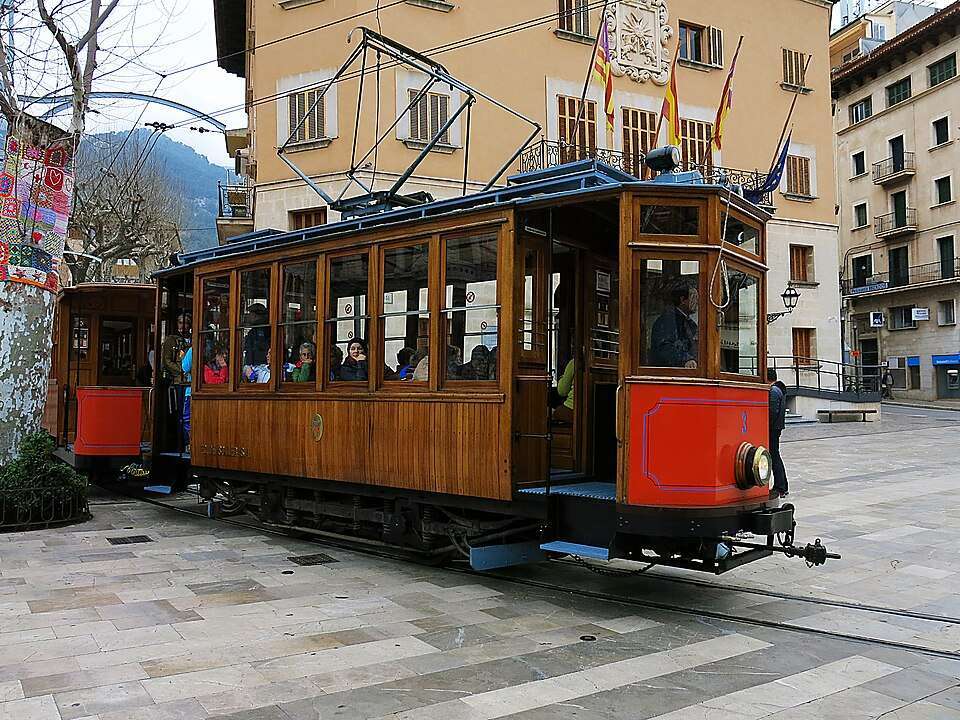
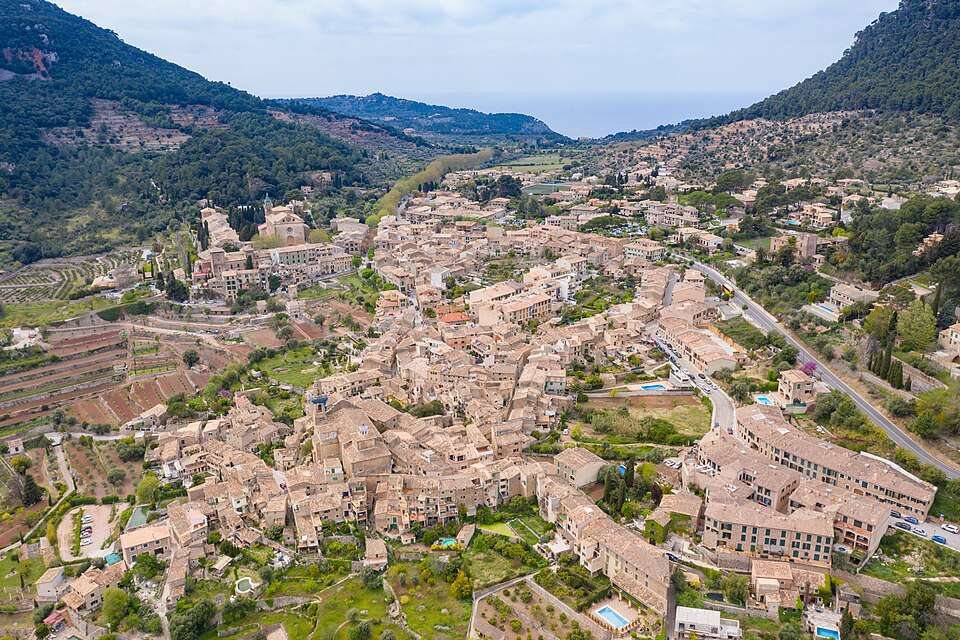
The essential trip is the best transit-as-attraction ride on the Mediterranean. The Ferrocarril de Sóller, a varnished-wood electric train from 1912, leaves Palma’s own station and takes an hour through orange groves and thirteen tunnels across the Tramuntana to Sóller — a prosperous golden-stone town in a bowl of citrus. See the plaça and the modernist church facade, and drink the fresh orange juice; citrus built this town. The historic open-sided tram then trundles down the valley to Port de Sóller’s horseshoe bay for the swim and the seafood lunch.
The logistics: departures are timed and summer-popular, so book ahead or queue early — a return runs about €30, with the tram extension around €10 more, and the combined tickets are the efficient version. Sit on the left side heading out for the valley views. Drivers can replicate the day, but the train is the point: this is the purest case anywhere of the journey outranking the destination, and the destination is still excellent.
Read the full the Sóller train day-trip page.
Valldemossa, Deià & the Stone Villages
The Tramuntana’s literary circuit sits forty minutes to an hour out.
Valldemossa is the green-shuttered stone town around the Carthusian monastery where Chopin and George Sand wintered badly in 1838–39. She wrote the score-settling A Winter in Majorca about the experience, and the town now sells her book and his music with equal cheer. The monastery visit plus a coca de patata pastry is the program.
Deià, twenty minutes on, is the beauty: a pyramid of ochre houses on a ridge between the mountains and the sea. Robert Graves lived here for fifty years — his house is a museum, and his simply marked grave sits in the clifftop churchyard. The village is now an artist-and-celebrity address that somehow kept its looks, and the pebbled turquoise cala below is the swim.
Fornalutx, up-valley from Sóller, completes the set: routinely titled Spain’s prettiest village, all stone lanes and citrus terraces. Pace it — two villages plus a long lunch beat four rushed, and the midday coach waves make the case for an early start.
Read the full Valldemossa day-trip page.
Sa Calobra & Cap de Formentor — The Dramatic North
The island’s two famous drives come with rules.
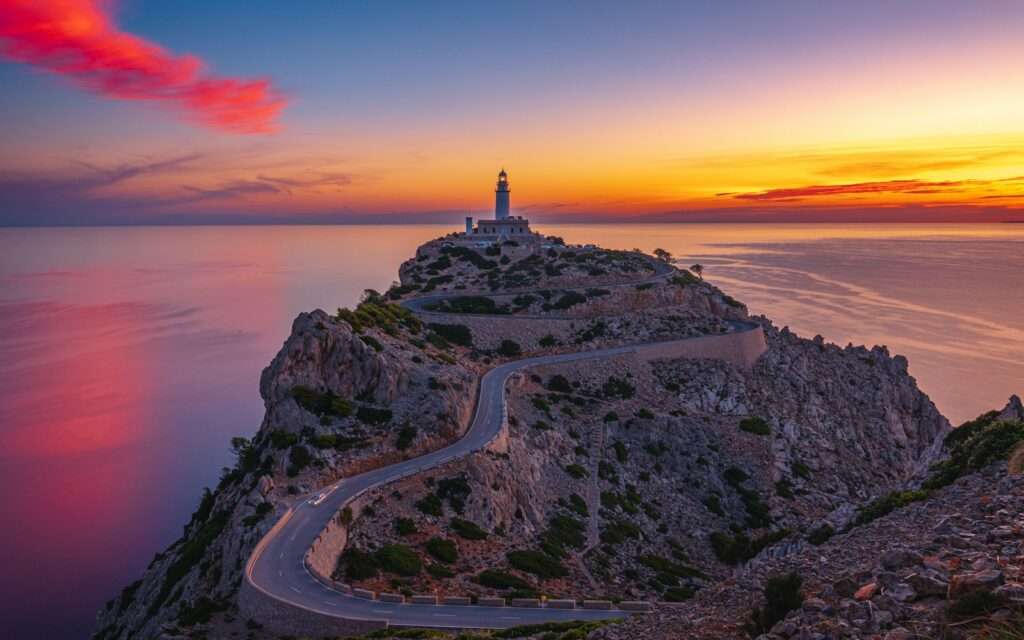
Sa Calobra’s road is itself the attraction: 26 hairpins engineered down the cliffs in 1932, including the famous loop that passes under itself, ending at a pebble cove where the Torrent de Pareis gorge meets the sea through a walk-through tunnel. The stress-free version is the boat from Port de Sóller — arrive by water and look up. Summer parking and the narrow hairpins make the DIY drive harder than it looks.
Cap de Formentor, the lighthouse cape at the island’s northern tip, now runs on a seasonal system: from mid-May to mid-October, private cars are banned on the lighthouse road daily from 10 a.m. to 10 p.m. The stretch to Formentor beach stays open only while its 300-space car park has room, the final leg to the lighthouse is closed outright, cameras enforce it with €100–200 fines, and the TIB 334 shuttle bus from Alcúdia and Port de Pollença covers the whole route instead. Drive it before 10 a.m., ride the bus, or take the boat-plus-viewpoint version. Both drives are for clear-weather days and best in the first hours of morning.
The Drach Caves & the East
An hour east, the Cuevas del Drach are the island’s oldest attraction, staged with unexpected theater: a kilometer of chambers descends to Lake Martel, one of the world’s largest underground lakes, where the finale is a short classical concert performed from boats drifting across the dark water. You can cross the lake by boat afterward. It is staged and it is genuinely lovely, and few attractions manage both. Timed entries book out in summer, so reserve ahead.
Pair it with Porto Cristo’s harbor for lunch, then choose the route home: the Rafa Nadal Museum in Manacor for tennis pilgrims, or Alcúdia’s walled Roman-to-medieval old town on the northern loop. It’s the right day for families, for weather-hedging, and for anyone curious about caves.
The Calas — An Honest Beach Guide
Here’s the cove honesty the brochures skip: Mallorca’s famous small calas are exactly as beautiful as photographed and physically small, which in August means arriving by 9 a.m. or not getting in.
The sorted list: Caló des Moro, the turquoise wedge from every feed, holds perhaps a hundred towels and requires a scramble down — go early in shoulder season, or admire it from the clifftop. Es Trenc is the opposite answer: a long Caribbean-grade sandbar with room to breathe, with natural-park parking fees. Cala Mondragó and its neighbor s’Amarador balance beauty with capacity inside a protected park.
The escalation is Cabrera: the uninhabited archipelago national park, an hour’s boat from Colònia de Sant Jordi, with a castle, a blue-cave swim on the return, and the Balearics as they were before tourism. The day boats run seasonally and cap passenger numbers — book ahead, and the cap is exactly why it’s worth it. June and September deliver the island the photos promise. August delivers the photos plus everyone who saw them.
The Cathedral, the Old Town & Palma Itself
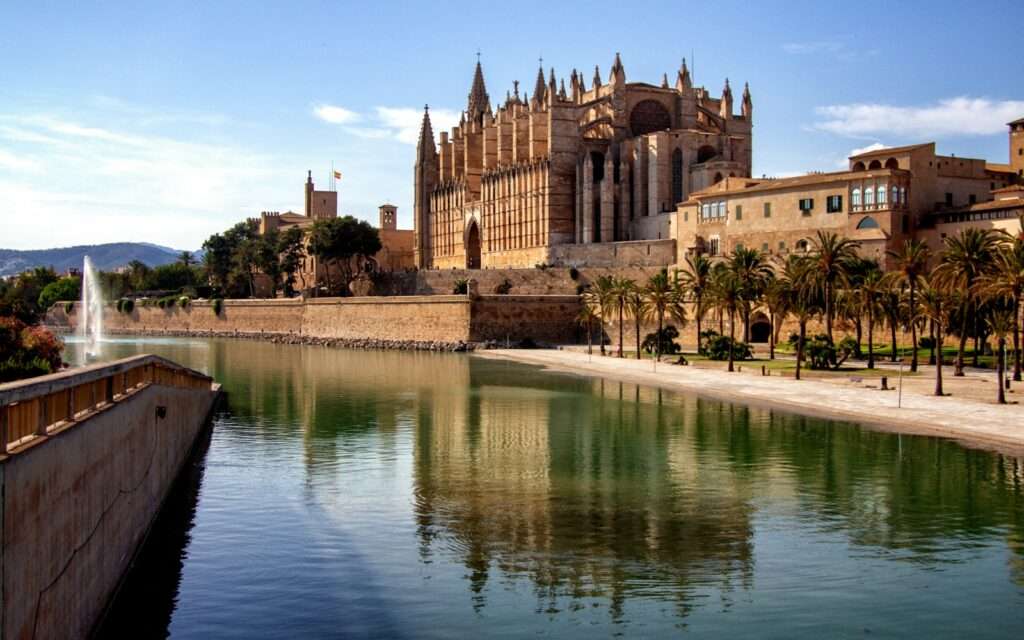
Palma is more than its transfer-day reputation. La Seu, the sandstone cathedral rising off the seafront, is among Europe’s great Gothic interiors. Gaudí renovated it — the crown-of-thorns baldachin is his — and Miquel Barceló’s ceramic chapel adds the contemporary shock. Twice a year, on February 2 and November 11, the dawn sun projects the great rose window beneath its twin on the facing wall; locals call them the Festival of Light mornings, and they’re the connoisseur’s calendar note.
Around it: the Arab Baths’ garden courtyard, the old town’s palace patios — peer through the gates, and several open on heritage days — and the round Bellver Castle on its wooded hill, a circular Gothic castle with the bay panorama as the reward.
The rituals: an ensaimada — the coiled, lard-laminated pastry that is the island’s edible emblem — from a proper forn; Ca’n Joan de s’Aigo has poured since 1700 and pairs it with almond ice cream. The Mercat de l’Olivar for the graze, tapas along Carrer de la Fàbrica in Santa Catalina, and the harborfront paseo at dusk when the cathedral lights up over the masts.
One island-wide calendar note: much of coastal Mallorca genuinely closes November through March. Palma itself stays alive and makes a fine winter city break, but the tram, boats, and cove infrastructure run seasonal schedules — verify before building winter days around them. Almond blossom in late January and February is the island’s secret season, and the Tramuntana hikes peak exactly when the beaches don’t.
Frequently Asked Questions
Is the Sóller train worth it?
Yes — the 1912 wooden train through the mountains is the island’s best single experience, connecting to the heritage tram down to Port de Sóller. Book ahead in summer and sit on the left heading out.
Which Tramuntana villages should you visit?
Valldemossa for Chopin’s monastery, Deià for the beauty and Robert Graves, Fornalutx as the prettiest — but two done slowly beat four done rushed. Early starts miss the coach waves.
Can you drive to Cap de Formentor?
Not in season — from mid-May to mid-October, private cars are banned from 10 a.m. to 10 p.m., with camera-enforced fines. Take the TIB 334 shuttle from Port de Pollença or Alcúdia, drive before 10 a.m., or go by boat.
How do you visit Caló des Moro?
Early — the famous cove holds barely a hundred people and fills by mid-morning in summer. Es Trenc or Cala Mondragó offer the turquoise with actual space; June and September beat August everywhere.
Is Palma worth time itself?
Genuinely — the cathedral with Gaudí’s renovation and Barceló’s chapel, the round Bellver Castle, the palace patios, and the ensaimada at Ca’n Joan de s’Aigo make a full city day before any cove is involved.